GABRIELA LIRA | FRANKLIN & WILLIAMSON COUNTY REAL ESTATE
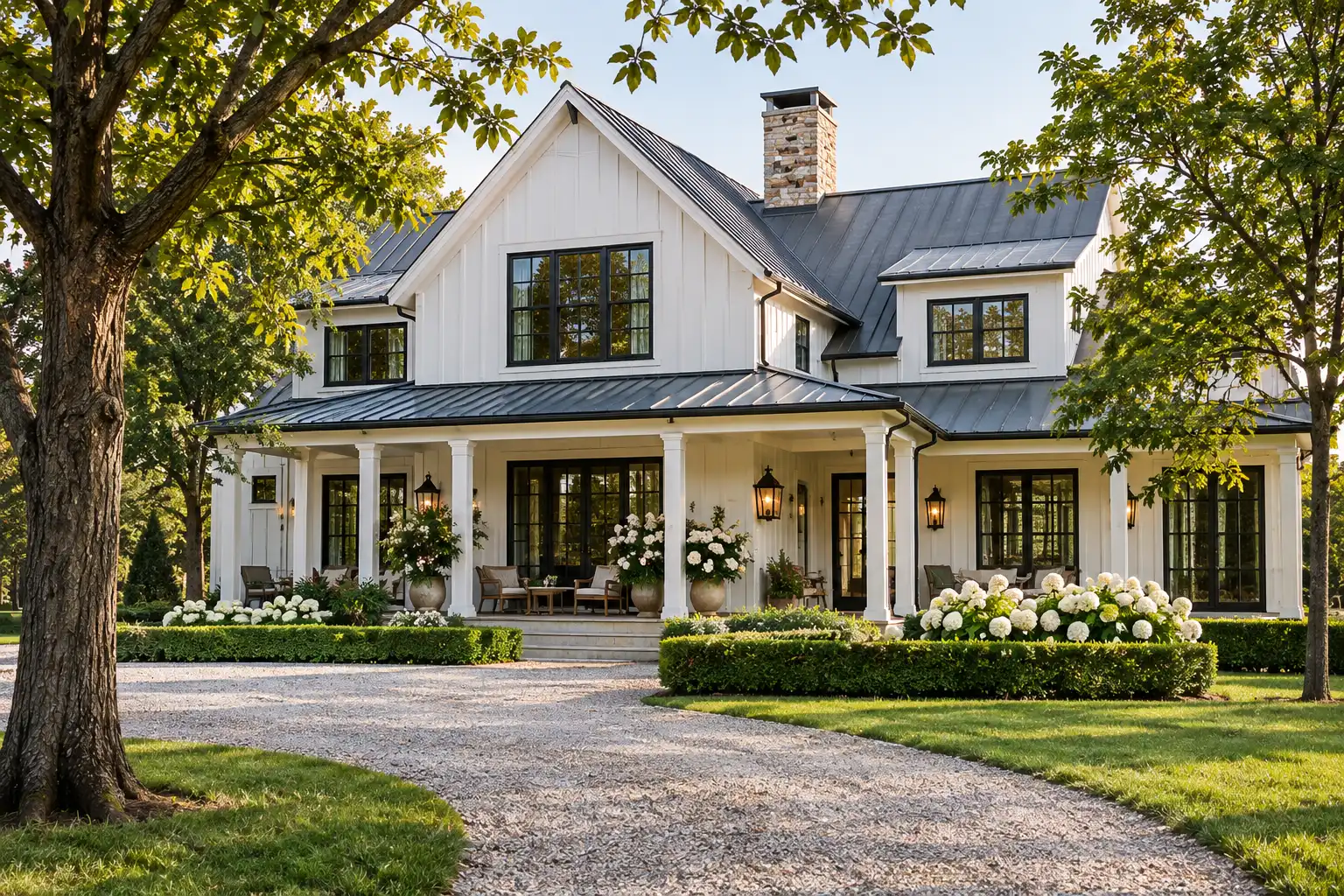
Franklin, Tennessee, offers some of the most beautiful countryside in Middle Tennessee. With rolling hills, expansive pastures, picturesque horse farms, and proximity to Nashville, it’s easy to understand why buyers are drawn to this part of Williamson County.
Whether you’re searching for a private equestrian estate, a working horse farm, or acreage to build your dream property, purchasing land in Franklin presents opportunities that extend far beyond traditional residential real estate.
But buying a farm or equestrian property requires a different level of due diligence.
From evaluating barns and riding arenas to understanding pasture management, zoning restrictions, and infrastructure, there are important considerations that can significantly impact a property’s functionality, value, and long-term potential.
I understand that purchasing an equestrian property is about more than finding a beautiful piece of land. It’s about finding a property that supports your lifestyle, meets your practical needs, and represents a sound investment.
Here are the key factors to consider before purchasing a farm or equestrian property in Franklin, Tennessee.
1. Not All Acreage Is Created Equal
One of the first things buyers notice when searching for a farm is the number of acres. But total acreage doesn’t necessarily tell you how usable a property will be.
Franklin and the surrounding Williamson County countryside are known for their beautiful rolling landscapes. While these hills create stunning views, they can also present challenges for agricultural operations, equestrian facilities, and future construction.
A 30-acre property with gently rolling, well-drained pastures may be more functional for horses than a 75-acre property dominated by steep terrain and dense woodland.
When evaluating land, consider:
- Topography: How much of the acreage is relatively level and usable?
- Pasture quality: Is the land suitable for grazing, and how much improvement might it require?
- Drainage: Are there areas prone to standing water, erosion, or seasonal flooding?
- Soil conditions: Will the land support your intended agricultural or construction plans?
- Access: Can you easily reach all portions of the property with equipment, vehicles, and horse trailers?
Understanding these characteristics helps determine whether a property can accommodate your vision.
2. Evaluate the Equestrian Facilities Beyond Their Appearance
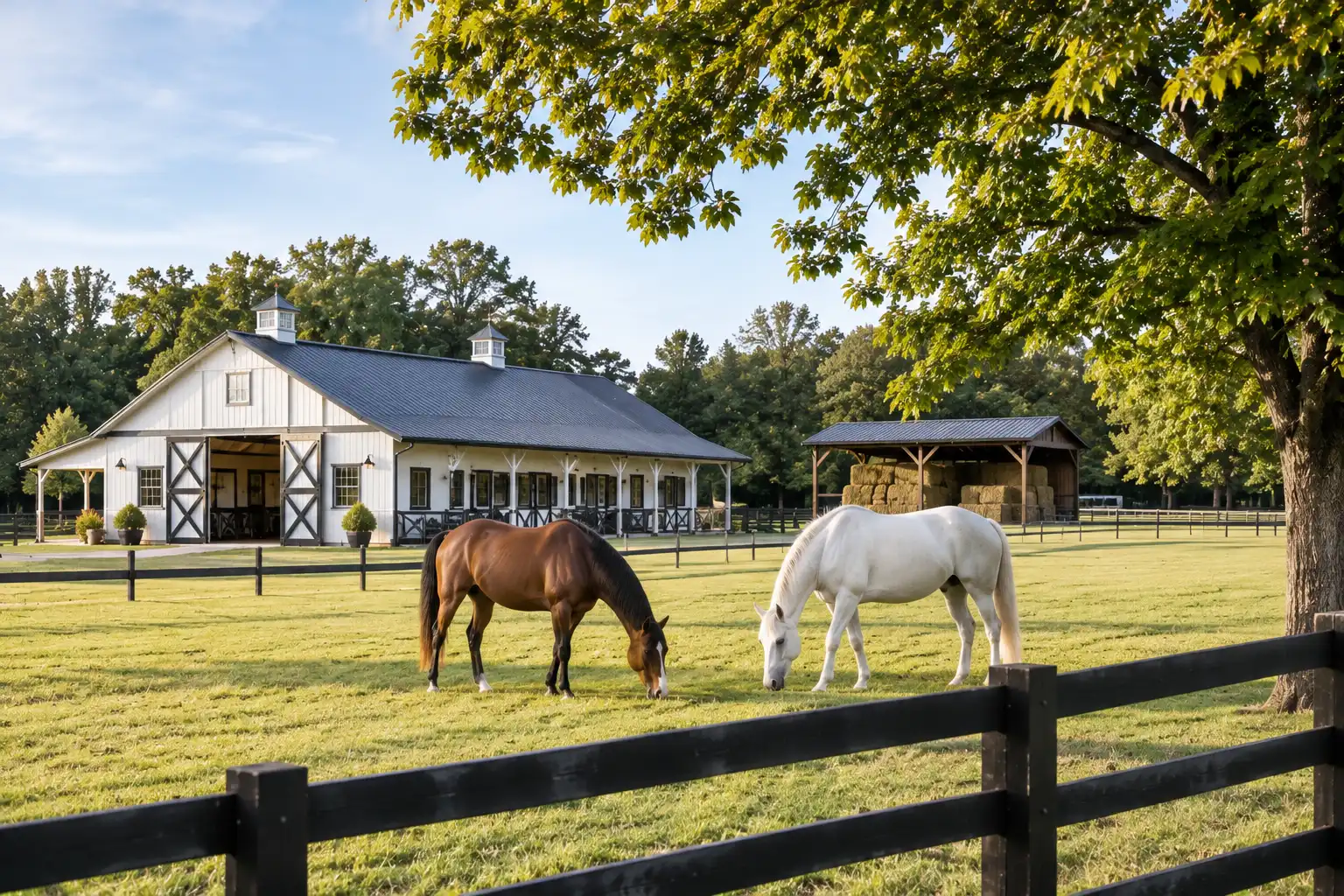
For buyers planning to keep horses, the quality and functionality of existing equestrian improvements are essential.
A beautifully designed barn may photograph exceptionally well, but experienced equestrian buyers know that its practical features are just as important as its appearance.
When evaluating barns and stables, consider stall sizes, ventilation, drainage, electrical systems, wash racks, tack rooms, feed storage, and overall layout.
The configuration of the property should also support efficient daily operations, including moving horses between stalls, paddocks, pastures, and riding facilities.
If the property includes an arena, assess its dimensions, footing, drainage, and suitability for your preferred discipline.
A property designed for recreational riding may have very different requirements from one intended for competitive training, breeding, or boarding.
Understanding the purpose and quality of existing facilities is particularly important because building or upgrading equestrian infrastructure can represent a substantial investment.
3. Understand the Infrastructure Required for Horse Care
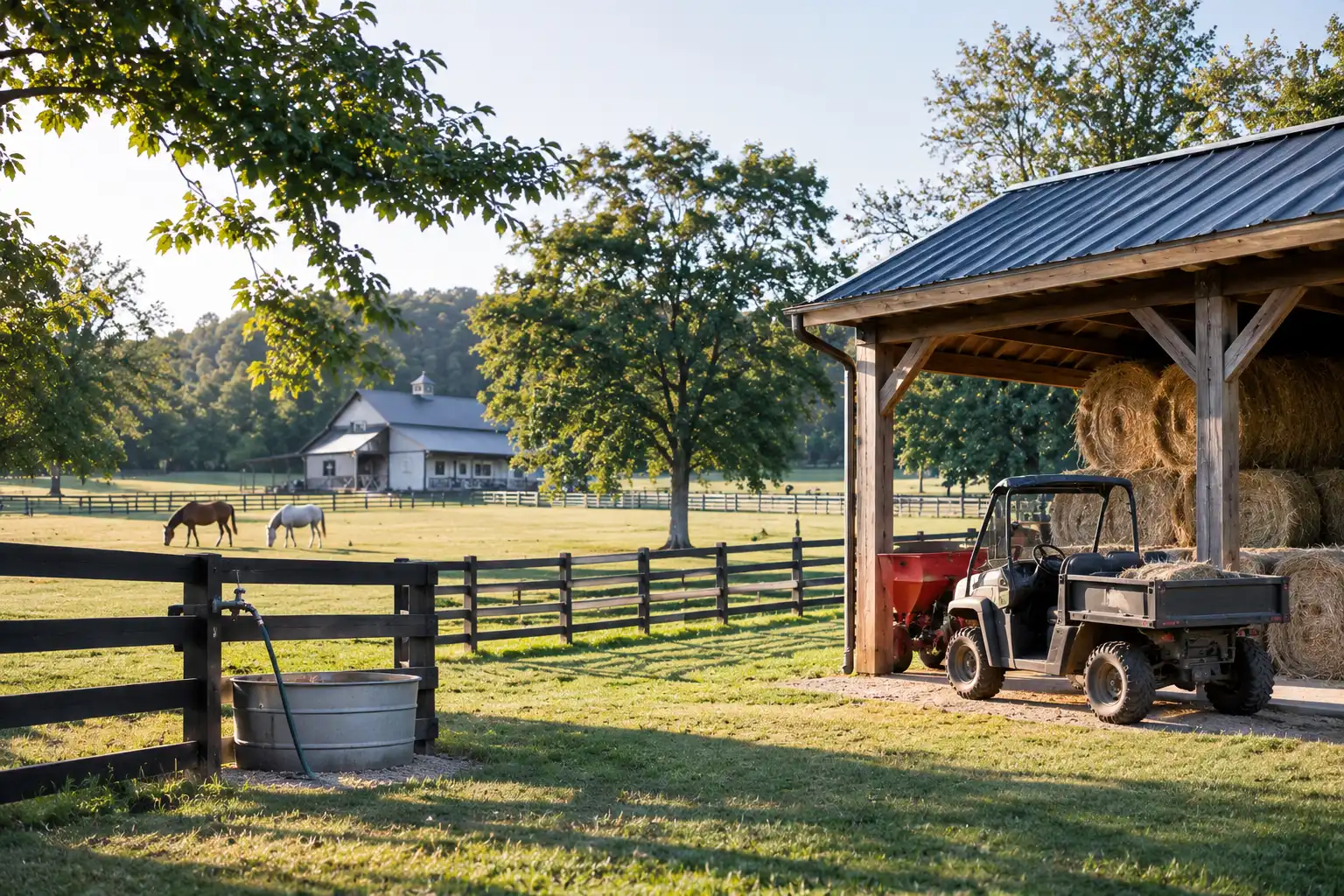
A successful equestrian property depends on much more than a barn and a few fenced pastures.
Proper fencing, drainage systems, water access, and pasture configuration all contribute to the safety and well-being of horses.
Fencing should be evaluated for its condition, suitability for horses, and ongoing maintenance requirements.
Reliable water sources are equally important, particularly for properties with multiple pastures or extensive acreage.
Buyers should also consider whether the land supports rotational grazing, which can help maintain pasture health and reduce excessive wear.
Other practical considerations include manure management, hay storage, equipment access, and the ability to maintain facilities throughout the year.
My understanding of equestrian infrastructure helps me recognize these considerations and guide buyers toward the appropriate evaluations before purchasing.
4. Research Zoning, Land Use, and Restrictions
One of the most important steps in purchasing a farm is understanding what you can legally do with the property.
Acreage does not automatically mean unrestricted use.
Depending on the property’s location, zoning regulations, deed restrictions, conservation easements, and other land-use requirements may affect your plans.
For example, buyers should verify whether they can:
- Construct additional barns, riding arenas, or agricultural buildings.
- Operate a commercial boarding or training facility.
- Build a guesthouse, caretaker’s residence, or additional home.
- Subdivide the property in the future.
- Make improvements to land subject to conservation restrictions.
These considerations are especially relevant in Williamson County, where some rural properties have restrictions intended to preserve their agricultural or scenic character.
Before purchasing, it’s essential to verify that the property’s permitted uses align with your long-term plans.
5. Consider the Safety and Well-Being of Your Horses
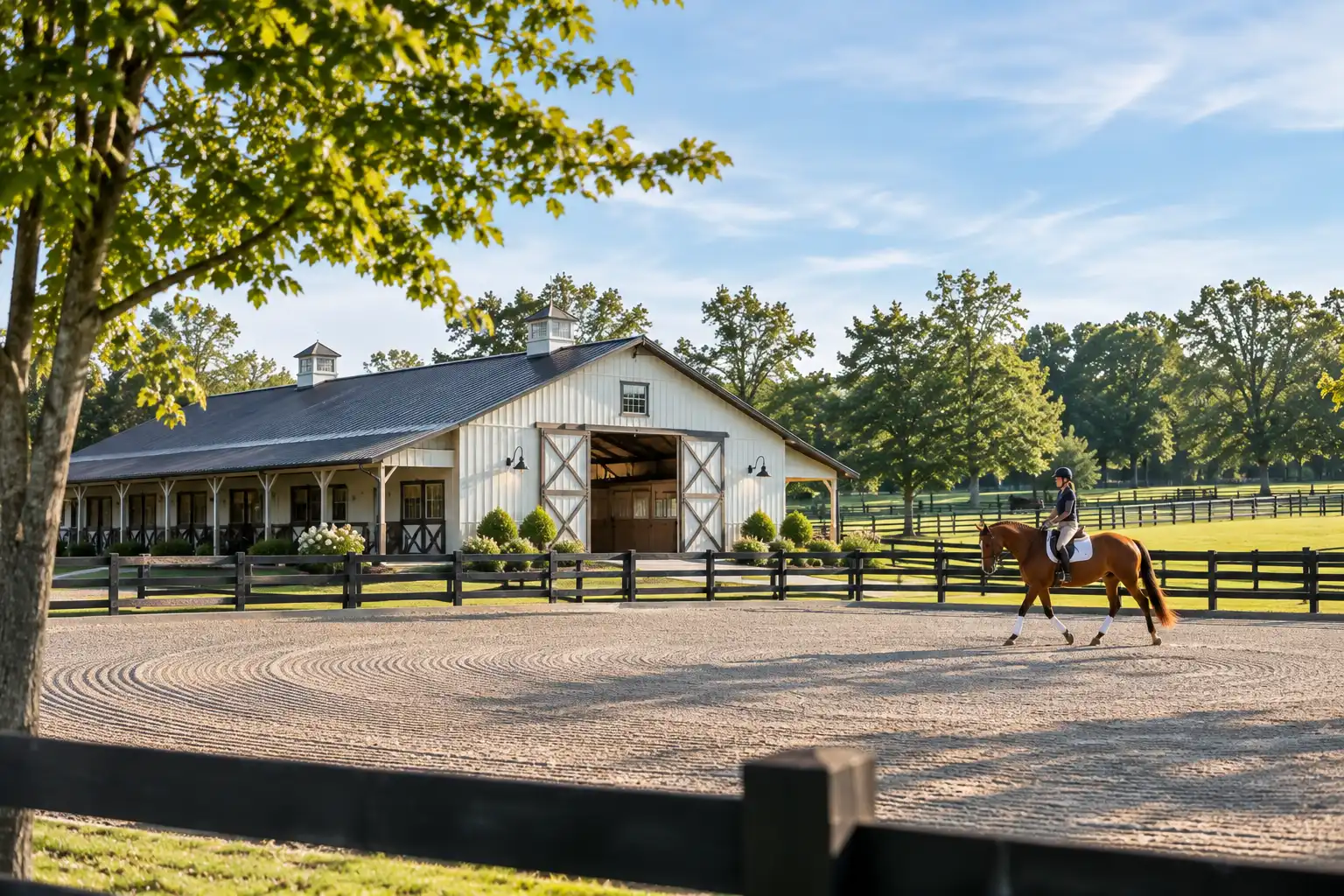
For equestrian buyers, the health and safety of their horses are often among the highest priorities.
A property’s suitability for horses depends on several interconnected factors, including shelter, fencing, grazing conditions, drainage, and access to quality forage and water.
Pastures should be evaluated for potentially hazardous plants, unsafe terrain, damaged fencing, and other conditions that could create risks.
Barns should provide appropriate ventilation and safe access, while riding facilities should be suitable for their intended use.
Buyers should also consider how the property functions during different seasons, particularly periods of heavy rain or extreme temperatures.
A qualified equestrian facility specialist or veterinarian can provide additional insight into whether a property meets the needs of your horses.
The ideal equestrian estate should be as functional and safe for its horses as it is beautiful for its owners.
6. Investigate Water, Septic Systems, and Utilities
Infrastructure is particularly important when purchasing rural property.
Unlike homes in more developed neighborhoods, farms may rely on private wells, septic systems, or utility arrangements that require additional investigation.
Buyers should confirm the availability and capacity of water service, particularly if the property will support horses, agricultural operations, or additional structures.
If you’re purchasing raw land or planning to build a custom home, septic feasibility should be evaluated before committing to the purchase.
The presence of substantial acreage does not guarantee that multiple residences or additional facilities can be constructed.
Floodplain boundaries, drainage patterns, and nearby creeks should also be considered when determining where buildings, pastures, and riding facilities can be located.
These evaluations can help identify potential limitations before they become expensive surprises.
7. Location Matters—Even When You’re Buying Acreage
One of the greatest advantages of Franklin is the ability to enjoy a rural lifestyle while remaining relatively close to Nashville.
However, not all areas of Williamson County offer the same combination of accessibility, privacy, and equestrian resources.
Properties near downtown Franklin may offer convenient access to shopping, restaurants, and major roadways, while more rural locations can provide greater acreage and seclusion.
Leiper’s Fork is particularly appealing to buyers seeking scenic countryside, horse farms, and a distinctive rural lifestyle.
For equestrian buyers, proximity to trainers, veterinarians, farriers, riding facilities, and horse shows may be just as important as proximity to everyday amenities.
The right location ultimately depends on how you intend to use the property.
A private recreational farm may have different location priorities from an equestrian operation that regularly transports horses for training or competition.
8. Understand the True Cost of Farm Ownership
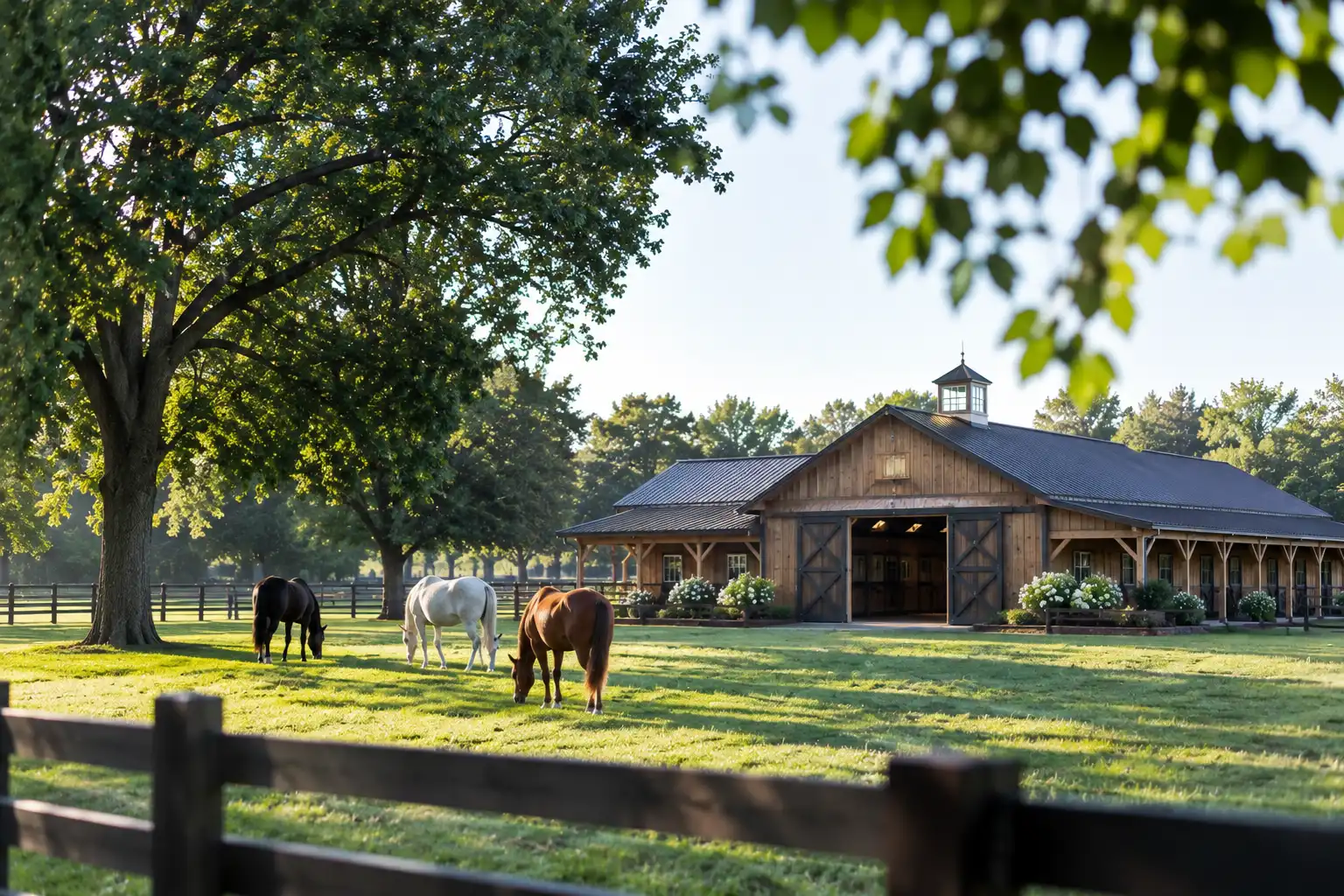
The purchase price is only one part of the financial commitment involved in owning a farm or equestrian estate.
These properties often require ongoing maintenance that exceeds the costs associated with traditional residential homes.
Depending on the property, expenses may include pasture maintenance, fencing repairs, barn upkeep, arena footing, agricultural equipment, driveway maintenance, landscaping, and insurance.
Horse owners must also account for feed, bedding, veterinary care, farrier services, and other animal-related expenses.
If you’re purchasing a property that requires improvements, it’s important to understand the potential costs before determining your budget.
A well-maintained property with functional existing infrastructure may represent better overall value than a less expensive property requiring extensive upgrades.
9. Understand How Equestrian Properties Are Valued
Valuing a farm or equestrian estate requires a different approach from pricing a conventional luxury home.
Two properties with similar acreage may have dramatically different values based on their location, topography, usable pasture, improvements, privacy, and development potential.
Specialized facilities such as barns, arenas, and training infrastructure can contribute meaningful value, but their construction costs do not necessarily translate dollar-for-dollar into resale value.
Similarly, a property with exceptional land, scenic views, and an ideal building site may command a premium even if its existing residence is modest.
Because directly comparable sales can be limited, buyers benefit from working with a real estate advisor who understands both the luxury residential market and the factors that influence equestrian property values.
I evaluate the residence, acreage, improvements, and broader market conditions to help buyers understand a property’s value and develop an informed negotiation strategy.
10. Work With an Advisor Who Understands the Equestrian Lifestyle
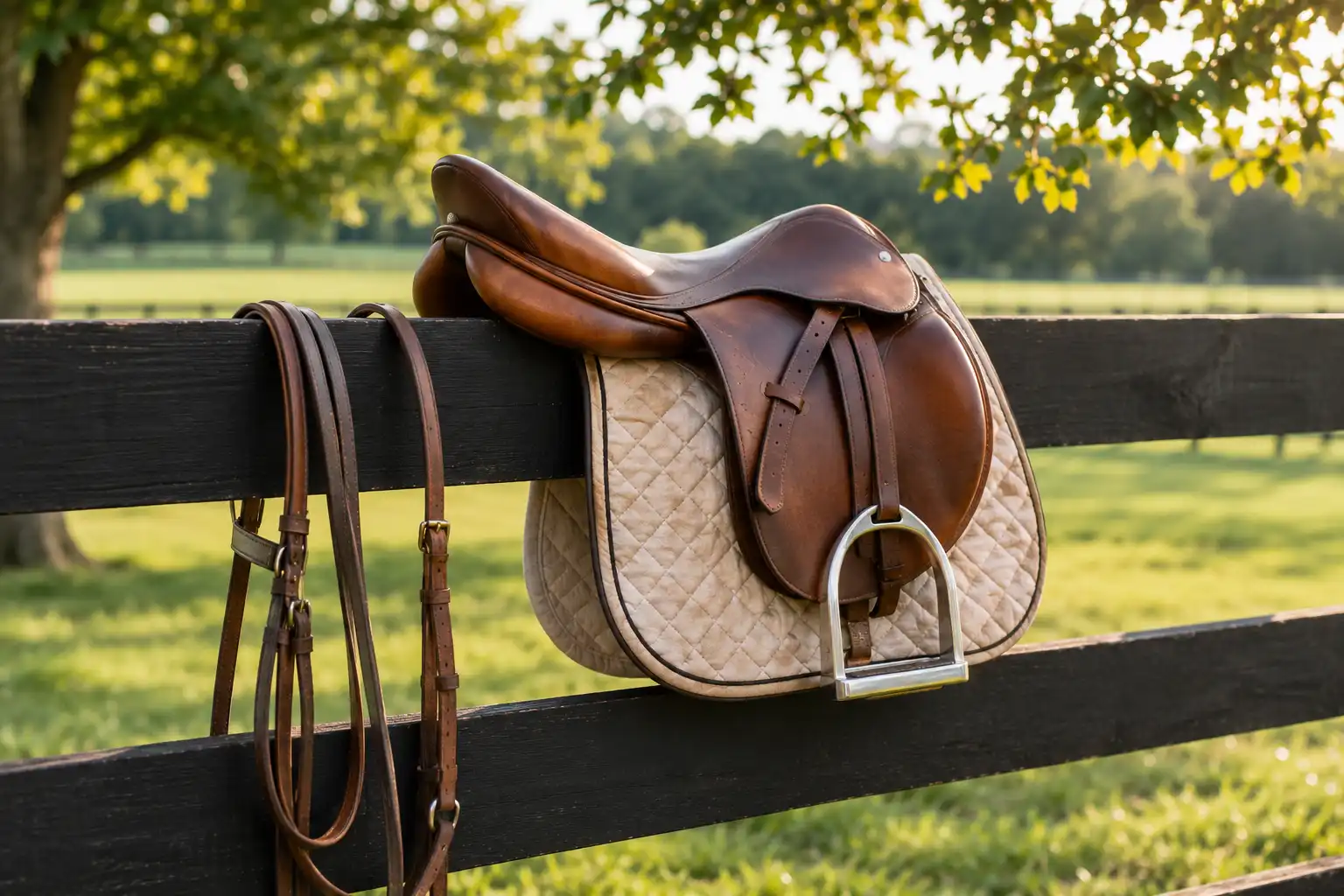
Buying a farm or equestrian estate involves considerations that many traditional residential transactions simply don’t encounter.
Understanding the layout of pastures, the functionality of barns, the quality of riding facilities, and the infrastructure required to support horses can make a meaningful difference during the search and due diligence process.
Equally important is having access to professionals who understand the equestrian industry.
I have cultivated connections within the local equestrian community, including trainers, riders, breeders, and other industry professionals.
These relationships help us better understand the needs of equestrian buyers and connect clients with relevant resources throughout the purchasing process.
My approach combines specialized property knowledge, local market expertise, and thoughtful representation to help buyers identify properties that align with their goals.
Finding Your Ideal Farm or Equestrian Estate in Franklin, Tennessee
There’s something extraordinary about owning land in Middle Tennessee.
Whether your vision includes riding through your own pastures, building a custom equestrian facility, enjoying the privacy of a countryside estate, or creating a family retreat for generations to come, Franklin and the surrounding Williamson County countryside offer exceptional opportunities.
But the right property is about more than beautiful scenery and acreage.
It’s about understanding the land, evaluating the infrastructure, recognizing potential limitations, and ensuring the property can support the lifestyle you envision.
I help buyers navigate the unique considerations of purchasing farms, acreage, and equestrian estates throughout Franklin and Williamson County.
My experience in luxury real estate, understanding of equestrian properties, and connections within the local community allow us to provide thoughtful guidance from the initial search through closing.
If you’re considering purchasing a farm or equestrian estate in Franklin, Leiper’s Fork, or the surrounding Middle Tennessee countryside, I welcome the opportunity to help you find the right property.
Gabriela Lira
Principal Broker | The Lira Group at Compass
Nashville & Williamson County Luxury Real Estate
Gabriela Lira is a top 1% real estate agent in Middle Tennessee with over a decade of experience in the Nashville market. A Yale graduate with an MBA from Pepperdine, she brings a rare blend of business strategy, sharp negotiation skills, and real-world market expertise to every transaction. Before real estate, Gabriela spent 10 years building growth strategies for biotech and pharmaceutical companies nationwide.
She is the founder of The Lira Group, a full-service real estate team specializing in relocation, luxury homes, new construction, and equestrian. From 2020–2025, Gabriela earned the Greater Nashville Realtors Diamond Elite Award and is ranked among Nashville’s top individual agents and small teams by RealTrends and The Wall Street Journal.